
What Is Data Catalog
What Is Data Catalog - A data catalog is the inventory of all data assets in an organization that helps data professionals find the most relevant data for any analytical or business purpose. A data catalog provides a detailed description of what data contains and what a business uses it for. A data catalog collects metadata from different source systems and from data warehouses and data lakes that support business intelligence (bi), analytics and data science applications. As centralized repositories, data catalogs aim to be relevant to users across an organization, systematically organizing and presenting selected datasets and their contexts. A data catalog is a detailed inventory of all data assets in an organization, designed to help data professionals quickly find the most appropriate data for any analytical or business purpose. Technical metadata includes structural schemas, data types, size, source databases, and more. A data catalog is a centralized inventory of data assets (and information about those data assets). Data catalogs is a centralized metadata repository that serves as an inventory of available data across the enterprise. What is a data catalog? A data catalog is a collection of metadata, combined with data management and search tools, that helps analysts and other data users to find the data that they need, serves as an inventory of available data, and provides information to evaluate fitness of data for intended uses. A data catalog collects metadata from different source systems and from data warehouses and data lakes that support business intelligence (bi), analytics and data science applications. But data catalogs can do more than help users locate data. For each identified dataset or data object, the catalogue collates comprehensive technical, administrative, and business metadata. A data catalog enables organizations to find and understand data efficiently. It serves as an inventory of data and provides the necessary information to evaluate the fitness of. A data catalog helps data users identify which data assets are available and provides relevant context about that data, allowing them to assess the data for use. It also allows businesses to differentiate many similar pieces of data and speed up any process relating to retrieving and using data—especially in enterprise environments. Data catalogs is a centralized metadata repository that serves as an inventory of available data across the enterprise. What is a data catalog? A data catalog is the inventory of all data assets in an organization that helps data professionals find the most relevant data for any analytical or business purpose. What is a data catalog? For each identified dataset or data object, the catalogue collates comprehensive technical, administrative, and business metadata. Data catalogs is a centralized metadata repository that serves as an inventory of available data across the enterprise. It serves as an inventory of data and provides the necessary information to evaluate the fitness of. A data catalog is. It provides detailed information, including the data’s structure, location, ownership, usage, and relationships with other data assets. A data catalog collects metadata from different source systems and from data warehouses and data lakes that support business intelligence (bi), analytics and data science applications. A data catalog is a collection of metadata, combined with data management and search tools, that helps. A data catalog enables organizations to find and understand data efficiently. A data catalog is a collection of metadata, combined with data management and search tools, that helps analysts and other data users to find the data that they need, serves as an inventory of available data, and provides information to evaluate fitness of data for intended uses. It provides. A data catalog is a collection of metadata, combined with data management and search tools, that helps analysts and other data users to find the data that they need, serves as an inventory of available data, and provides information to evaluate fitness of data for intended uses. Data catalogs is a centralized metadata repository that serves as an inventory of. Data catalogs help you organize and evaluate information about your data, including: It also allows businesses to differentiate many similar pieces of data and speed up any process relating to retrieving and using data—especially in enterprise environments. A data catalog is a centralized repository or tool that helps organize and manage an organization's metadata. What is a data catalog? It. What is a data catalog? But data catalogs can do more than help users locate data. A data catalog is a centralized repository or tool that helps organize and manage an organization's metadata. A data catalog is a centralized inventory of data assets (and information about those data assets). A data catalog is a collection of metadata, combined with data. A data catalog enables organizations to find and understand data efficiently. A data catalog is the inventory of all data assets in an organization that helps data professionals find the most relevant data for any analytical or business purpose. A data catalog is a centralized inventory of data assets (and information about those data assets). It also allows businesses to. A data catalog collects metadata from different source systems and from data warehouses and data lakes that support business intelligence (bi), analytics and data science applications. A data catalog provides a detailed description of what data contains and what a business uses it for. It serves as an inventory of data and provides the necessary information to evaluate the fitness. A data catalog helps data users identify which data assets are available and provides relevant context about that data, allowing them to assess the data for use. It also allows businesses to differentiate many similar pieces of data and speed up any process relating to retrieving and using data—especially in enterprise environments. For each identified dataset or data object, the. What is a data catalog? A data catalog is a centralized repository or tool that helps organize and manage an organization's metadata. A data catalog is a collection of metadata, combined with data management and search tools, that helps analysts and other data users to find the data that they need, serves as an inventory of available data, and provides. A data catalog is a detailed inventory of all data assets in an organization, designed to help data professionals quickly find the most appropriate data for any analytical or business purpose. A data catalog helps data users identify which data assets are available and provides relevant context about that data, allowing them to assess the data for use. Technical metadata includes structural schemas, data types, size, source databases, and more. Data catalogs is a centralized metadata repository that serves as an inventory of available data across the enterprise. A data catalog is the inventory of all data assets in an organization that helps data professionals find the most relevant data for any analytical or business purpose. It provides detailed information, including the data’s structure, location, ownership, usage, and relationships with other data assets. What is a data catalog? What is a data catalog? As centralized repositories, data catalogs aim to be relevant to users across an organization, systematically organizing and presenting selected datasets and their contexts. It serves as an inventory of data and provides the necessary information to evaluate the fitness of. For each identified dataset or data object, the catalogue collates comprehensive technical, administrative, and business metadata. A data catalog provides a detailed description of what data contains and what a business uses it for. But data catalogs can do more than help users locate data. It also allows businesses to differentiate many similar pieces of data and speed up any process relating to retrieving and using data—especially in enterprise environments. A data catalog collects metadata from different source systems and from data warehouses and data lakes that support business intelligence (bi), analytics and data science applications. A data catalog is a centralized repository or tool that helps organize and manage an organization's metadata.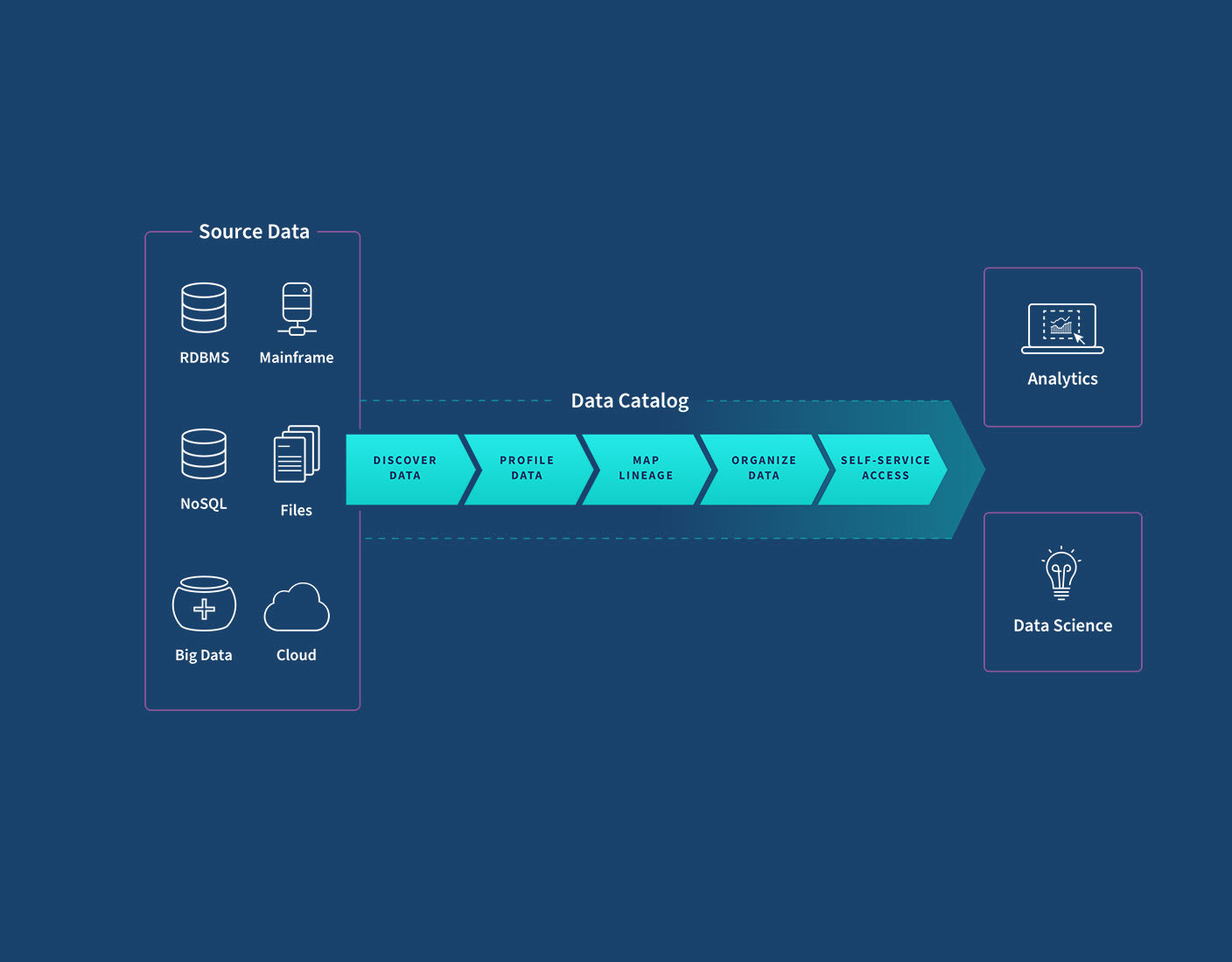
What is a Data Catalog? (And Why You Need One)
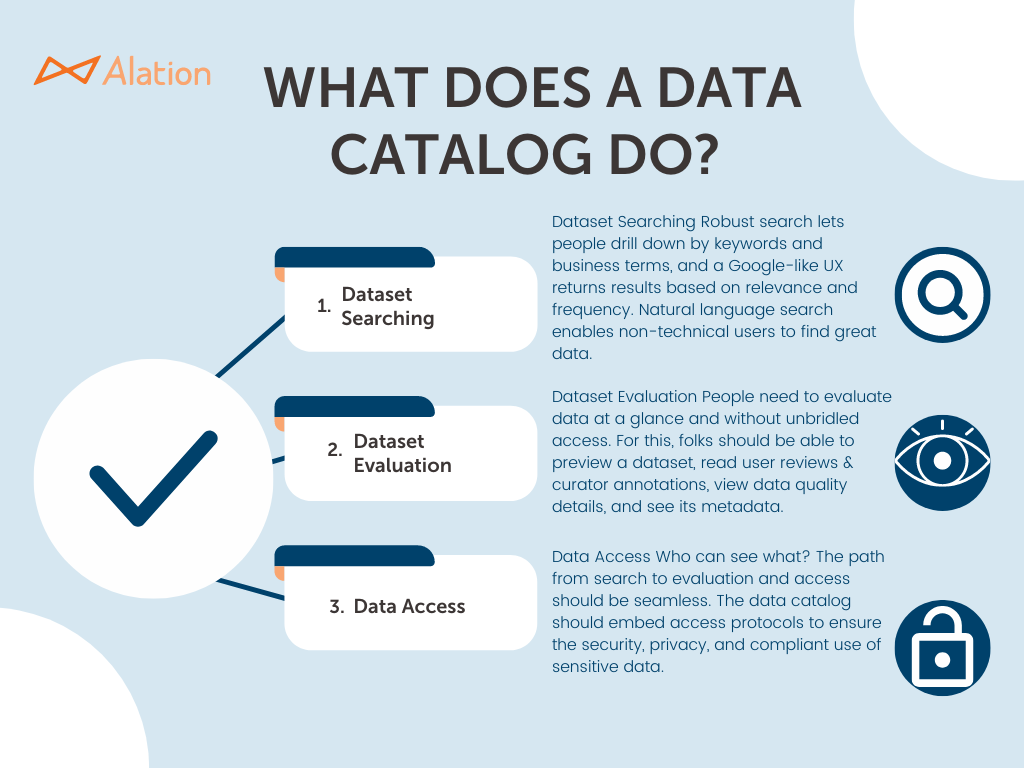
What Is A Data Catalog? Definition, Examples, And Best, 51 OFF
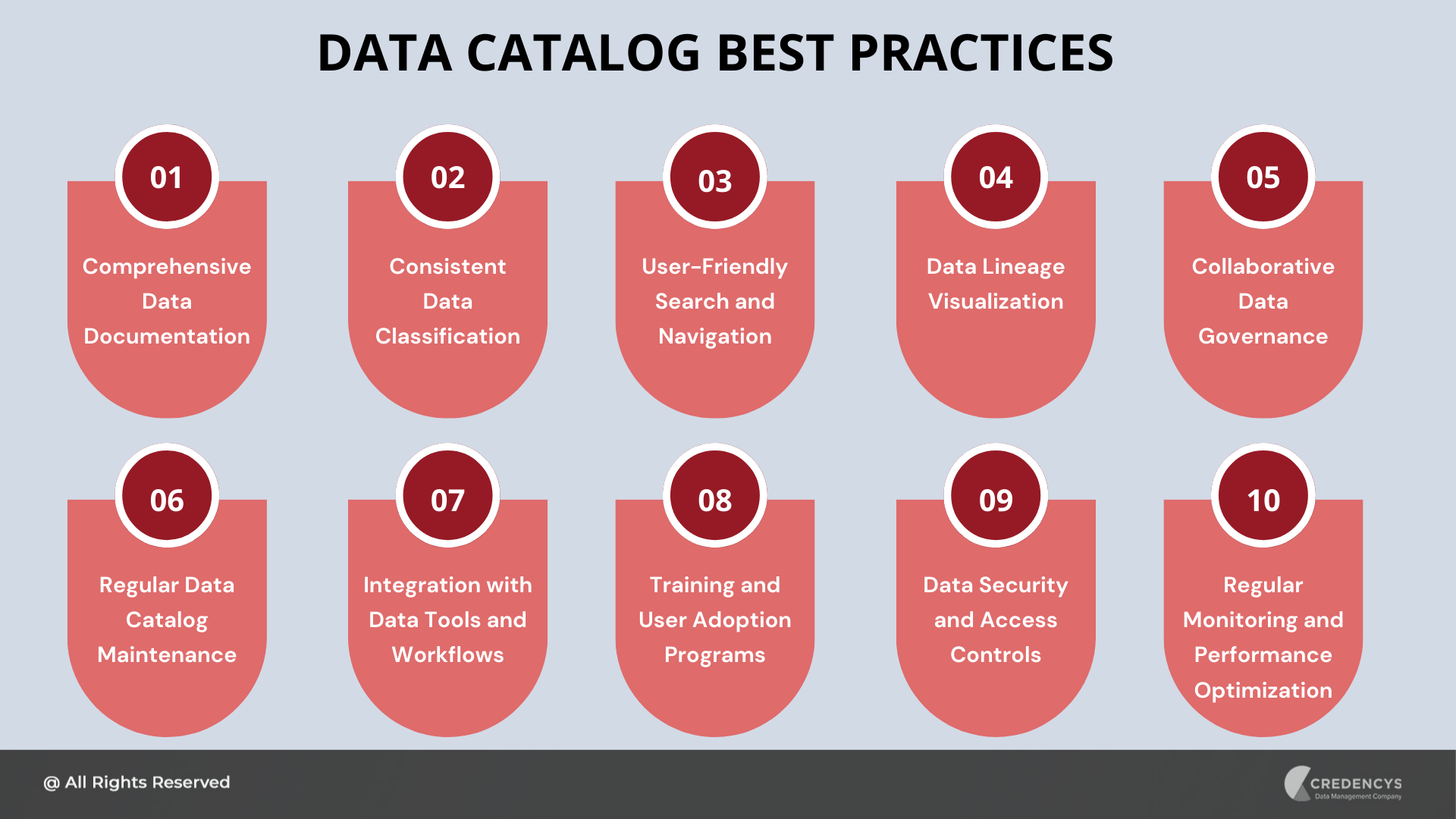
What is a Data Catalog? Definition, Benefits, Features, & More
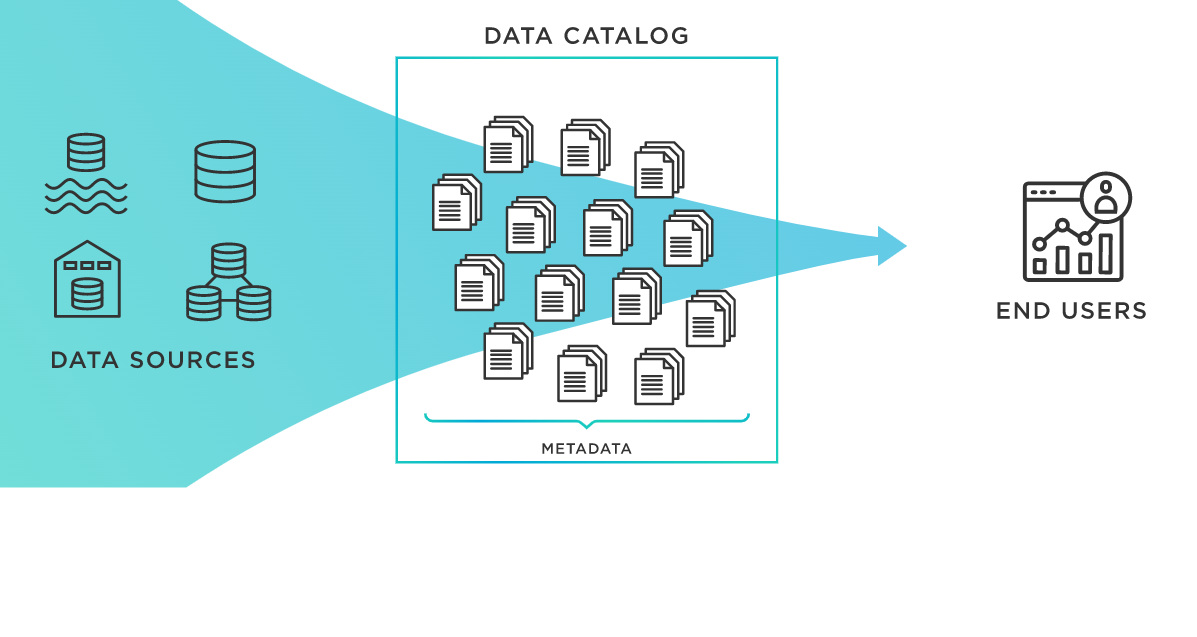
Data Catalog Concepts, Tools & Examples Analytics Yogi
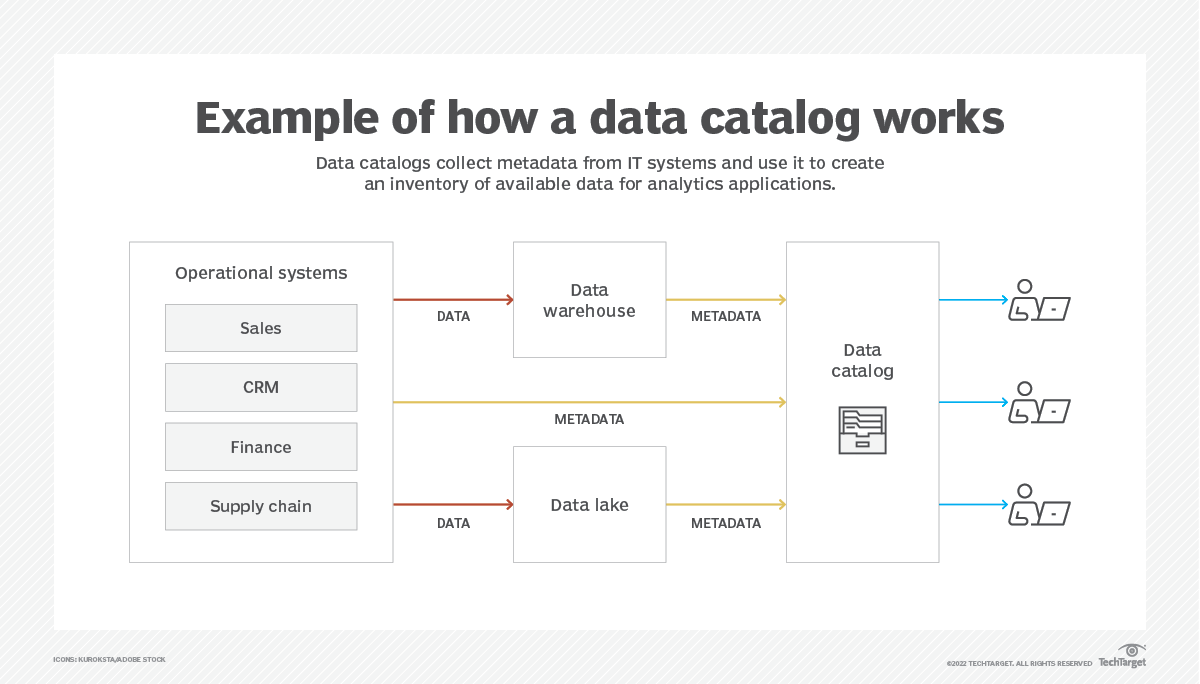
What is a Data Catalog? Uses, Benefits and Key Features TechTarget
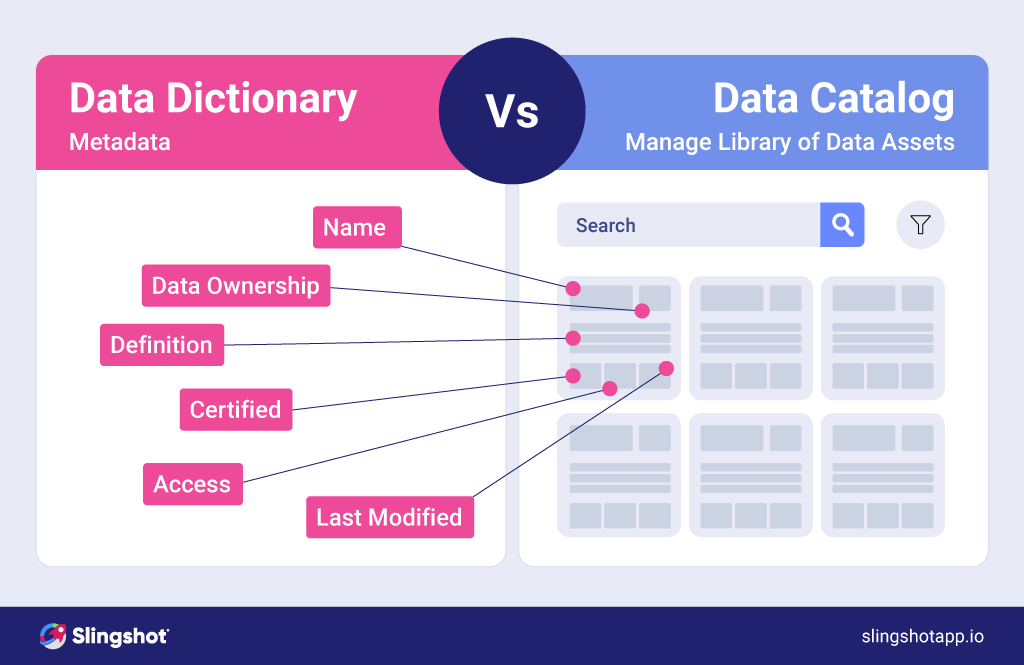
What Is A Data Catalog & Why Do You Need One?
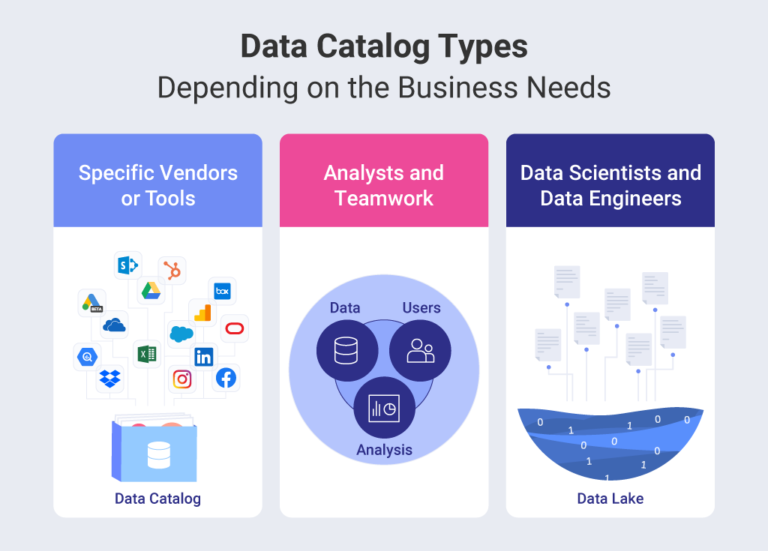
What Is A Data Catalog & Why Do You Need One?
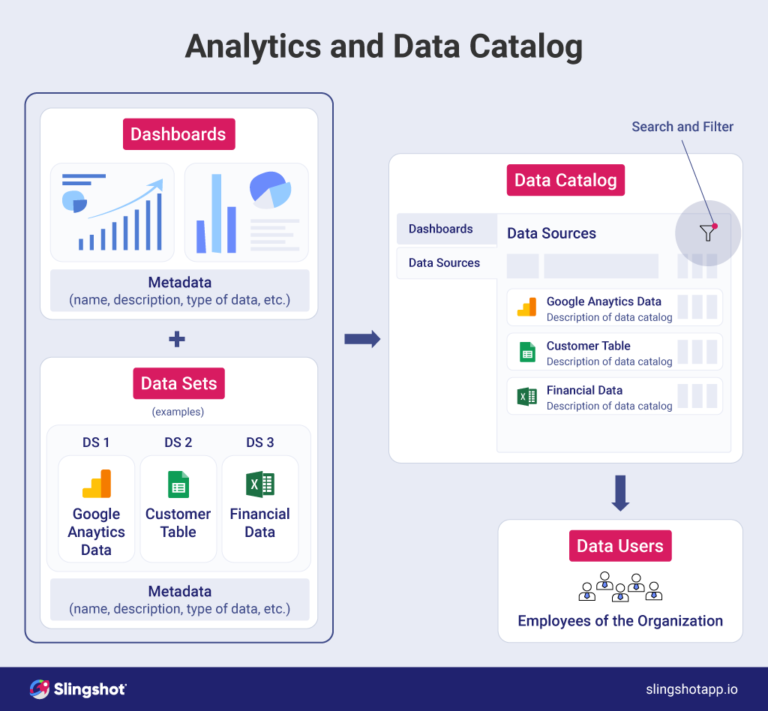
What Is A Data Catalog & Why Do You Need One?
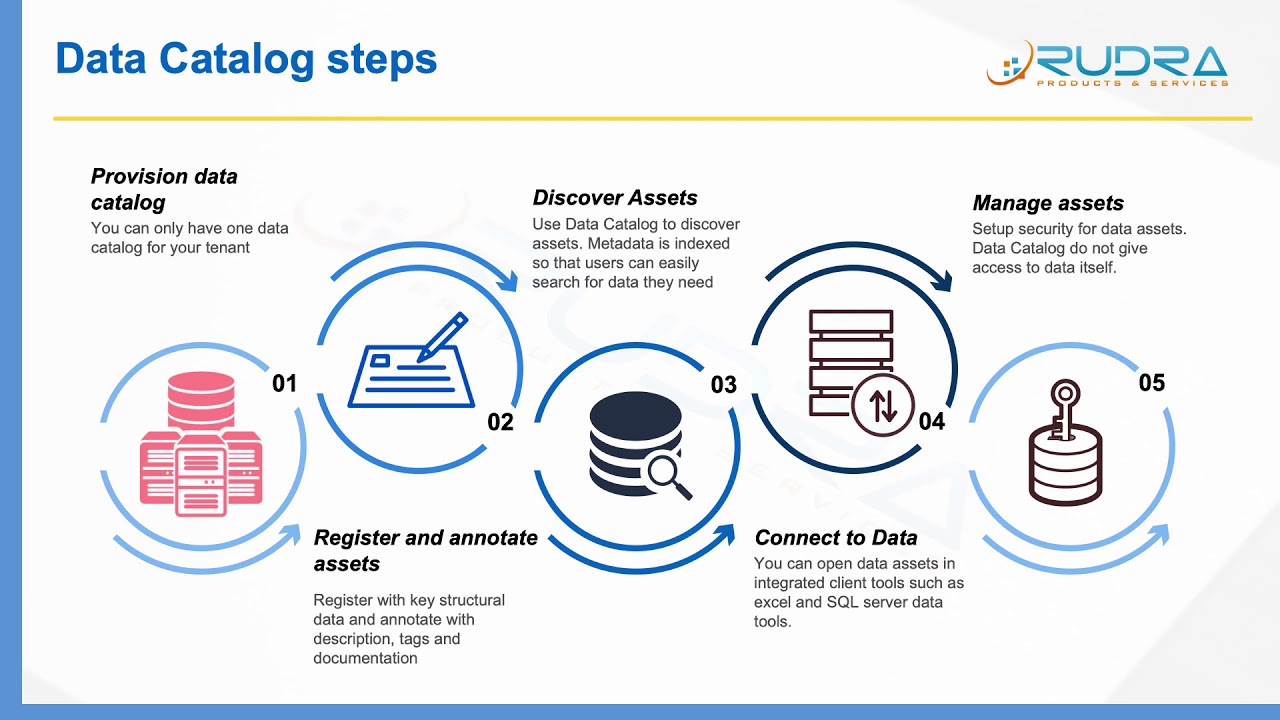
3 Reasons Why You Need a Data Catalog for Data Warehouse
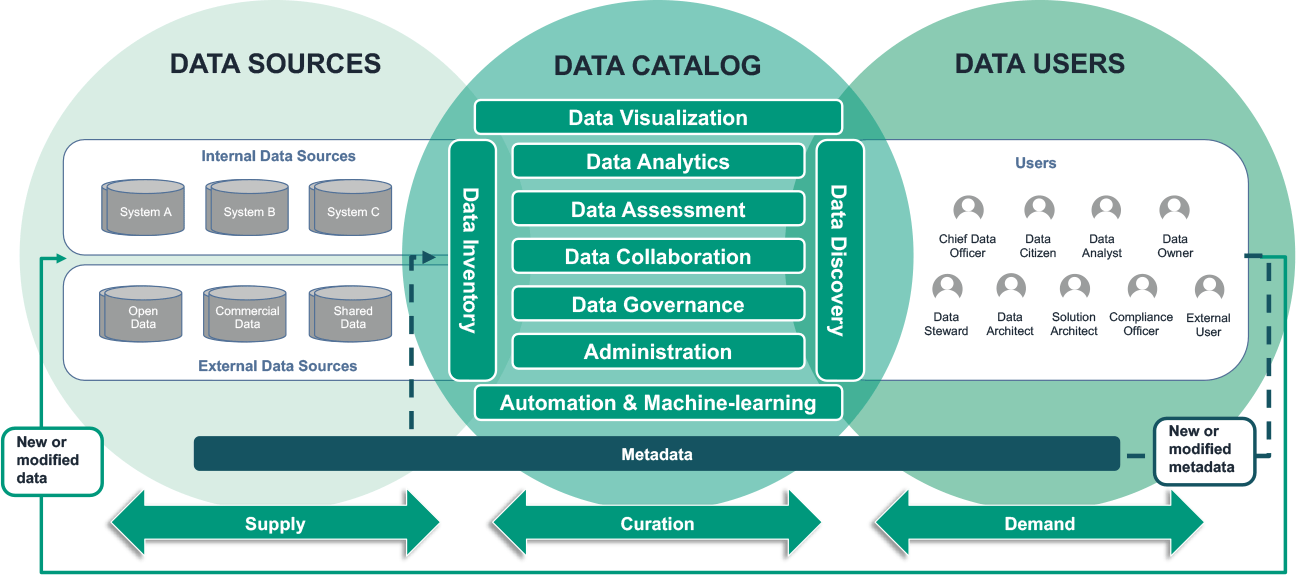
3 Reasons Why You Need a Data Catalog for Data Warehouse
Data Catalogs Help You Organize And Evaluate Information About Your Data, Including:
A Data Catalog Is A Collection Of Metadata, Combined With Data Management And Search Tools, That Helps Analysts And Other Data Users To Find The Data That They Need, Serves As An Inventory Of Available Data, And Provides Information To Evaluate Fitness Of Data For Intended Uses.
That Way, Businesses Can Comply With Regulation, Security, And Privacy Practices While Enriching Catalog Entries As New Datasets Or Data Relationships Become Available.
A Data Catalog Enables Organizations To Find And Understand Data Efficiently.
Related Post: